
Cindy Ren
Cofounder & CEO
Cindy leads commercialization and operations. She studied at Harvard and previously worked in Goldman Sachs’ Global Industrials Group.
Episodic for Manufacturing
When a part, fixture, or process changes, your robot needs a new program. We’re building an agent that prepares that change for your engineer to review and approve.
In development · New York
01 / The opportunity
Your robot already knows how to move, but giving it a new job still takes engineering work.
A new part, a moved fixture, or a different process can leave a capable robot waiting for a program update. The arm is ready, but its instructions still describe yesterday’s task.
Episodic starts with the program you have and proposes what needs to change. Your engineer reviews it before anything moves.
Meet the workflow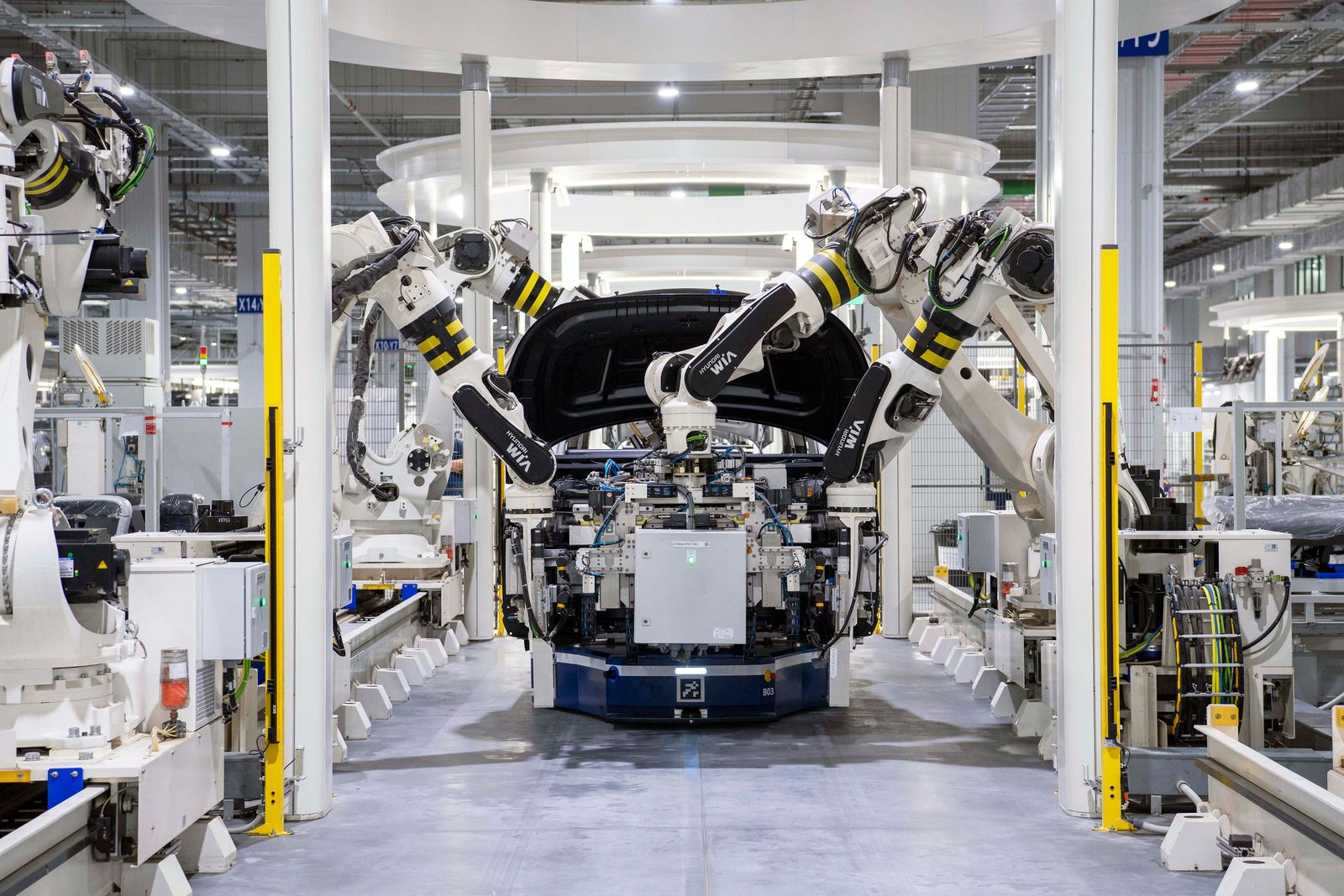
Adapt your existing robot to the work that comes next.
02 / Where the work changes
These manufacturing situations are shaping the workflow we’re building.
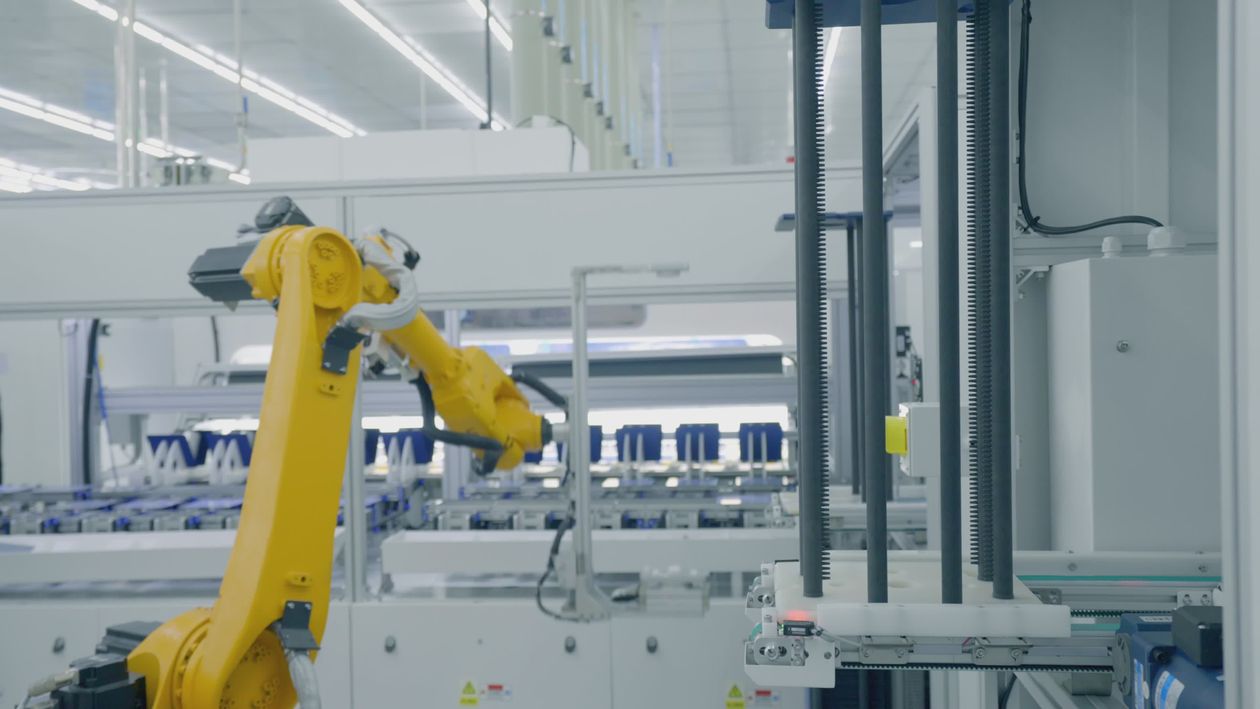
When the shape or placement changes, the grasp, approach, and destination may need to change with it. Start from the existing routine and review the proposed adaptation.
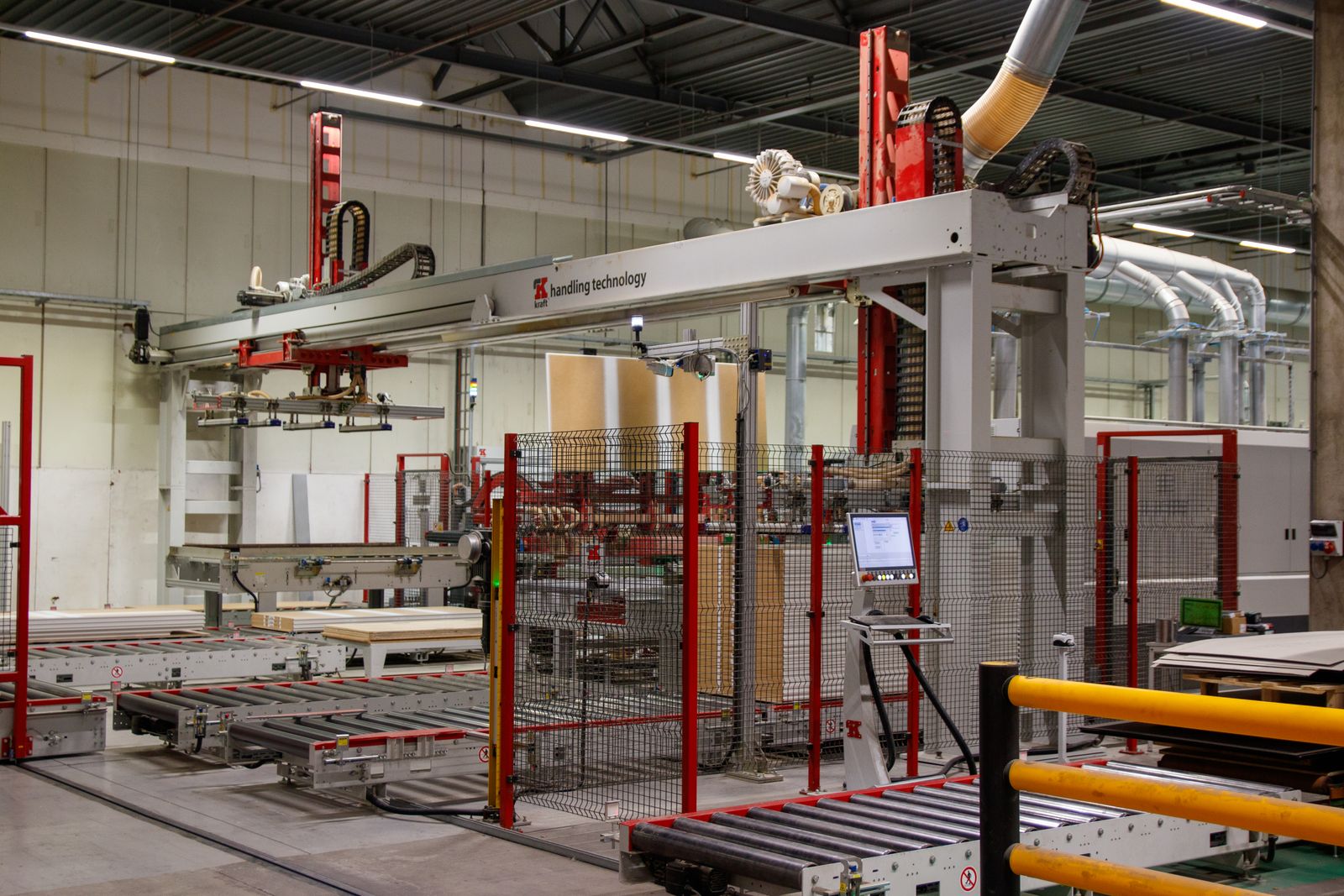
A repositioned fixture changes the relationship between the arm and the work. Identify the affected movements and give the engineer a concrete proposal to review.
A new sequence or handoff can leave an otherwise capable robot waiting for a program update. Use the current program as the starting point for the next version.
Brand-agnostic by design
We’re building Episodic to adapt programs across robot brands, including ABB, Universal Robots, FANUC, and KUKA. The starting point is the robot, controller, and code already on your floor.
Our goal is one engineering workflow for proposing and reviewing changes across different cells, while each robot’s existing controller handles motion.
Discuss your robot setup



Compatibility is assessed for each robot, controller, and cell.
03 / Our proposed solution
Follow a moved pickup tray through the proposed Episodic workspace.
Bring your existing program and cell context. In this example, the pickup tray has moved.
Compare the current routine with the proposed update. The changed lines show what the agent would revise.
Your engineer checks the proposal against the cell and operating procedures. Try the checklist in the example.
The program, change summary, and review record stay together for your team’s cell-specific checks.
CELL 03 / PICK AND PLACEThe request brings the current program and cell context together.
This is an interface concept using an illustrative cell and program. It does not connect to equipment or run a robot.
04 / Built around your team
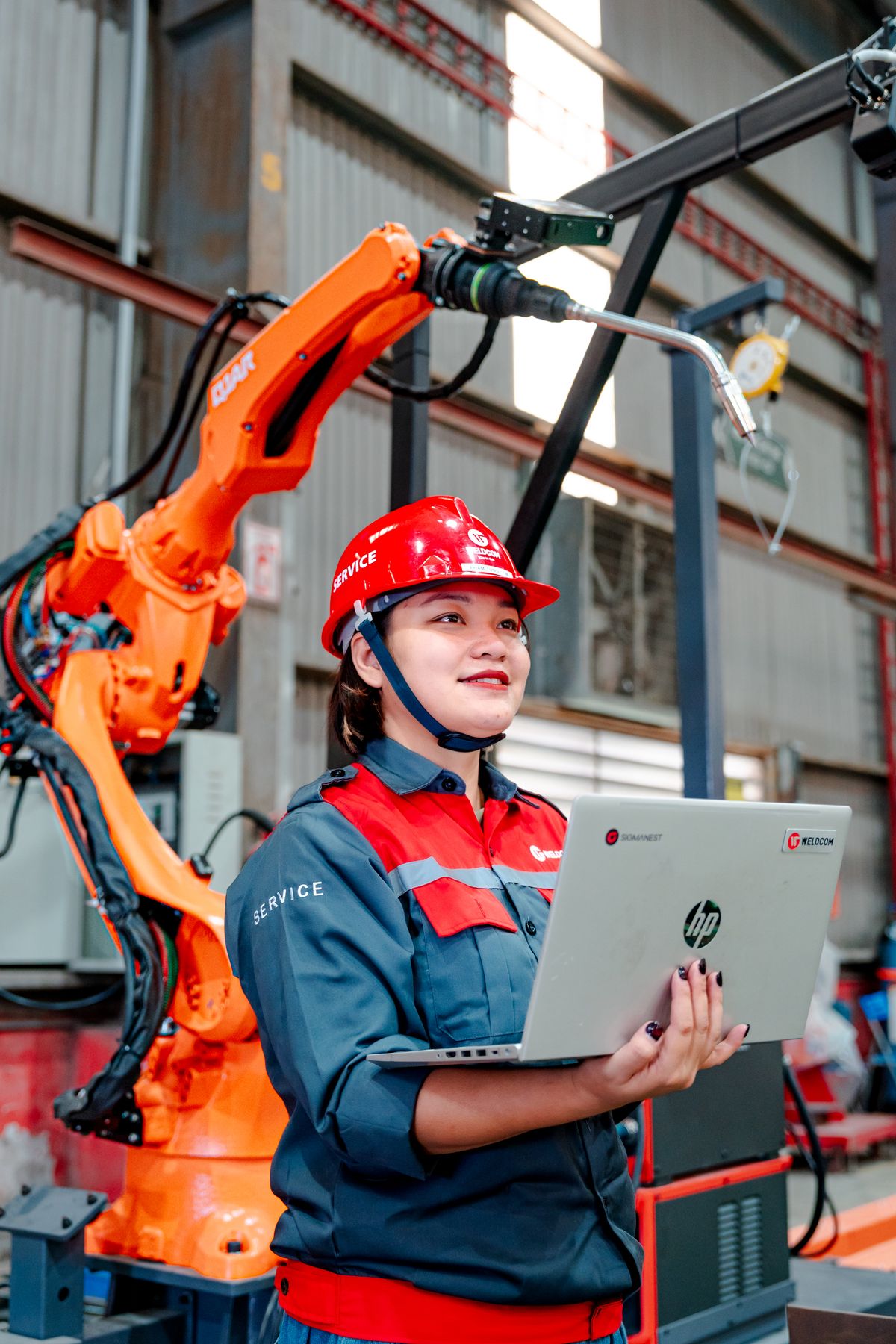
The people who know the cell should stay in control of it. Episodic is designed around that relationship: an agent prepares the change, and an engineer decides what happens next.
The existing robot and its program are the starting point.
A proposed program gives your engineer something concrete to evaluate.
The arm moves after the engineer approves, within the cell’s operating procedures.
The team
Cindy and Ashley began building robots together in high school. Today, they are developing Episodic with scientific collaborator Yilun Du.
Cofounder & CEO
Cindy leads commercialization and operations. She studied at Harvard and previously worked in Goldman Sachs’ Global Industrials Group.

Cofounder & CTO
Ashley leads ML engineering, data infrastructure, and robot software. She studied computer science and applied mathematics at Columbia and previously worked at Spotify.

Scientific Collaborator
Yilun is an assistant professor of computer science at Harvard and leads the Embodied Minds Lab. He earned his PhD at MIT and previously held research roles at Google DeepMind and OpenAI.
05 / Start a conversation
We’re in development and talking with manufacturing teams about the changes that take their robots offline.
Tell us about the robot, controller, tooling, and program your team uses today.
Walk us through a new part, a relocated fixture, or a process that is evolving.
Describe the evidence and checks your engineer needs before approving a new program.
A few practical questions
Episodic is in development. We’re speaking with manufacturing teams to understand their robot cells and program-change workflows. Get in touch to discuss your use case and current availability.
The goal is to adapt the robot you already own. Compatibility depends on the arm, controller, program, and cell. We’ll start by understanding your existing setup.
An engineer approves the proposed program before the arm moves. The workflow must also fit your cell’s validation, safety, and operating procedures.
A description of your robot cell, the task it performs, and an example of a change that required reprogramming. We can discuss what additional information would be useful from there.
Episodic for Manufacturing
Tell us what is changing on your factory floor and how your team handles it today.
Talk to Episodic